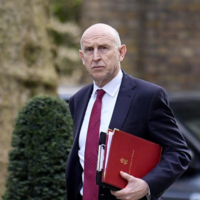


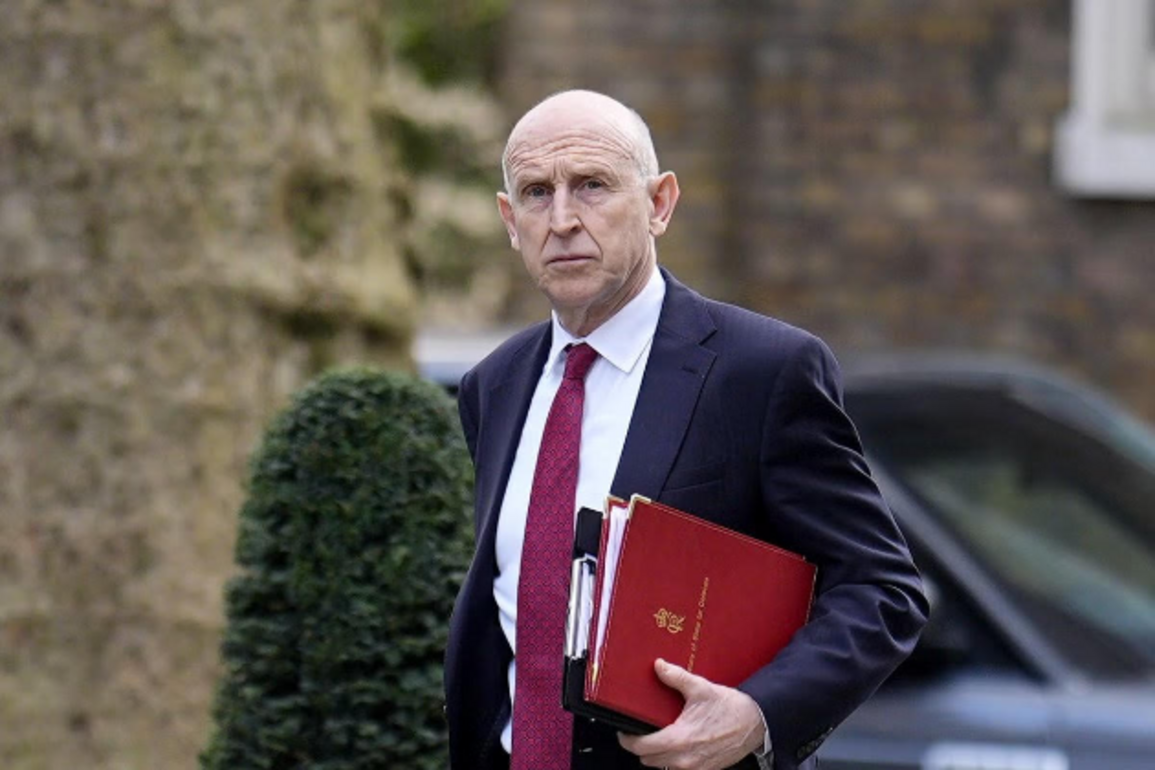
LONDON, U.K.: British Defense Minister John Healey resigned on Thursday after a dispute over military spending. He accused Prime Minister Keir Starmer of failing to commit sufficient resources to keep the country safe amid rising threats.
His sudden resignation, along with a strongly critical public letter, adds to the pressure on Starmer, who is already facing a possible leadership challenge. It also highlights a deeper problem within the government: how to increase defense spending when there is very little money available and welfare costs are continuing to rise.
Healey had spent months in talks with Starmer and Finance Minister Rachel Reeves about how to fund higher military spending. These disagreements delayed Britain's Defense Investment Plan, which was supposed to be released last year.
In his letter, Healey said that Starmer and the Treasury had failed to provide the resources needed to defend the country amid growing threats.
His resignation comes as Starmer struggles to stay in power. Health Minister Wes Streeting resigned in May, and Greater Manchester Mayor Andy Burnham is trying to return to national politics to challenge for leadership.
A government source said Starmer had made cuts in other departments and would soon present a spending plan that ensures the armed forces have what they need.
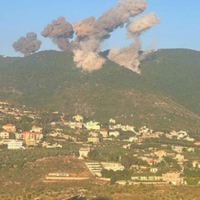
Britain, once a major military power, was exposed in March when it could not quickly send an advanced warship to Cyprus after its air base there was hit by an Iranian-made drone.
At the same time, the United States is shifting its focus away from defending Europe. Britain is now the third-largest defense spender in NATO, having been overtaken by Germany in 2024. The delayed investment plan was meant to prepare the military for full "warfighting readiness."
Starmer has promised the biggest long-term increase in defense spending since the Cold War, aiming to raise it to 3 percent of the country's economic output in the next parliament. However, Healey said the plan he saw would only raise spending to 2.68 percent by 2030, only slightly higher than the expected 2.6 percent next year.
By comparison, Germany plans to spend 3.7 percent of its GDP on defense by 2030, while France is expected to spend about 2.5 percent.
Healey said Starmer's proposed increase falls far short of what is needed to deal with growing threats from Russia and to expand Britain's military presence in the Arctic and the Middle East.
The government is finding it difficult to raise additional revenue because the economy is not growing, and both public debt and taxes are already near their highest levels in decades.
One Labour lawmaker called his resignation a "major blow" to Starmer. Another said it now seemed certain that Starmer would be forced out within months. A third said the move came as a complete surprise to the Labour defense team.
About a quarter of Starmer's MPs have already asked him to step down after the Labour Party suffered heavy losses in local elections in early May — the worst for any British prime minister in more than 30 years.
Healey's resignation, just weeks before a NATO summit, is likely to make matters worse.
Starmer had earlier said the Defense Investment Plan would be published before the NATO summit, which starts on July 7.