

A Cuba minister who sparked criticism after saying that there are no beggars in Cuba, only people disguised as such, stepped down on Tuesday. Scenes of people begging or scavenging through garbage are frequent in Cuba, amid galloping inflation, meager wages and food shortages.
The labor minister in economically depressedCubaresigned Tuesday amid an uproar over her claim that people rummaging through garbage cans were only pretending to be poor and not truly desperate.
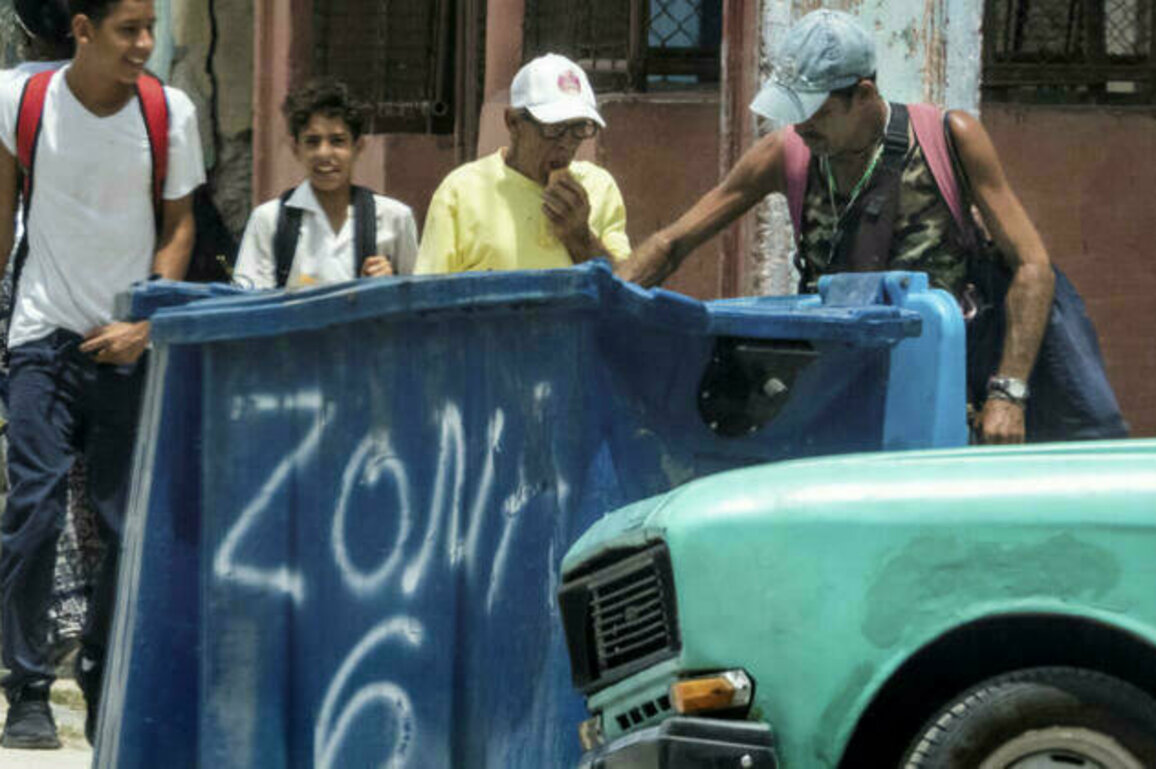
Such scenes of acute need are common in Cuba, especially in Havana, as people in the communist run country grapple with runawayinflation, meager wages andfoodshortages, causing some to resort to panhandling or eating out of the trash.
Read moreCuba, a sinking economy
The labor minister who denied this, Marta Elena Feito, who also oversees the social security system, "acknowledged her mistake and tendered herresignation," Cuban state media said Tuesday, adding that she had shown a "lack of objectivity and sensitivity."
On Monday, Feito told a parliamentary committee meeting about measures to addresspovertythat people rummaging for food in garbage bins are in fact dressed up to look like beggars.
"When you look at their hands, when you look at the clothes those people are wearing, they are disguised as beggars. They are not beggars. In Cuba, there are no beggars," she said in statements broadcast live on state television.
Social media users in the communist nation reacted with outrage, posting photos of people eating out of trash cans, while economist Pedro Monreal commented on X that there are "people disguised as 'ministers'" in Cuba.
PresidentMiguel Diaz-Canelentered the fray on X Tuesday to lambast Feito's "lack of sensitivity."
He later told a parliamentary session that "none of us can act with arrogance, act with pretense, disconnected from the realities we live in."
Beggars, added Diaz-Canel, are "concrete expressions of social inequalities and the problems" Cuba faces.
Poverty levels have increased sharply as the Caribbean country reckons with its worst economic crisis in three decades, marked by shortages offood, medicine and fuel and daily power blackouts.
Observers blame a combination of USsanctions, domestic mismanagement of the economy, and the Covid-19 pandemic tanking the nation's vital touristindustry.
Last year, the government said there were 189,000 families and 350,000 individuals out of a population of 9.7 million living in "vulnerable" conditions and benefiting from social assistance programs.
AFP has observed a marked increase in the last two years of homeless people and beggars on the streets of a country where the average monthly salary is less than $20 at the unofficial exchange rate.
Cuba's economy shrunk for the second consecutive year in 2024, contracting 1.1 percent compared to 1.9 percent in 2023.
(FRANCE 24 with AFP)
Originally published on France24